
Georgia Power’s VPP Program: What Homeowners Should Know Now
Georgia Power wants to pay homeowners for battery storage, but the program isn’t open yet. Here’s what it actually is, and how to get ready before it is.

If you’ve searched for Georgia Power’s new VPP program and come away more confused than when you started, here’s the short version: the pilot is real, but homeowners can’t sign up for it yet. Georgia Power is rolling this out to a small group of commercial customers first, with residential participation still to come.
Here’s what the program actually is, how the incentive models work, and what’s worth doing now if you want to be ready when residential enrollment opens.
What Is Georgia Power’s VPP Pilot Program?
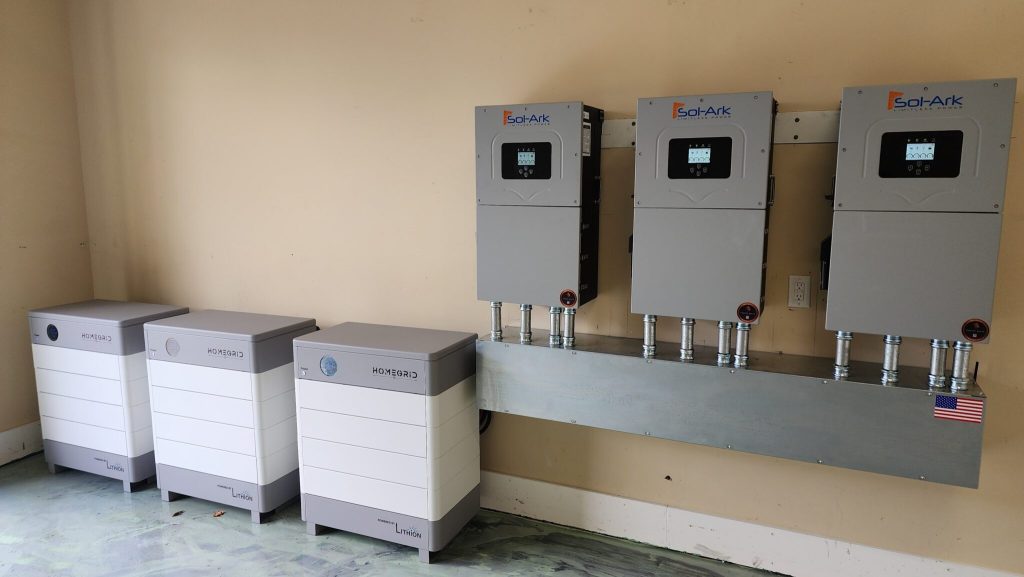
A virtual power plant, or VPP, isn’t a power plant at all. It’s a network of home batteries, solar systems, and other equipment that a utility can call on together, almost like a power plant, during times when the grid needs extra support.
Georgia Power’s version of this came out of its 2025 Integrated Resource Plan, the long-term roadmap utilities file with state regulators. The plan includes a 50-megawatt pilot split into two 25-megawatt models, both designed to pull extra capacity from customer batteries during high-demand periods instead of relying on another traditional power plant.
The Two Incentive Models, Explained
The filed plan lays out two ways to participate, depending on how much control you’re willing to hand over.
| Model | Who it’s for | Upfront incentive | Ongoing incentive |
|---|---|---|---|
| Customer-directed | Customers with battery storage who want to keep more control | $15/kW | $1.50/kWh for energy discharged during requested events |
| Utility-directed | Standard customers, plus a higher rate for income-qualified customers and MUSH-sector customers (municipalities, universities, schools, and hospitals) | $750/kW standard, $1,000/kW for qualifying customers | Georgia Power manages continuous battery operation |
Swipe left/right to see the full table →
In plain terms: the customer-directed model pays less upfront but only asks something of your battery during specific requested events. The utility-directed model pays more upfront in exchange for Georgia Power managing your battery’s operation on an ongoing basis. Customers with standalone battery storage and no solar can only participate in the customer-directed model, per the filed plan.
These figures come from Georgia Power’s filed IRP and could shift as the program’s final design gets worked out, so treat them as a starting point rather than a locked-in rate.
Why the Program Is Starting With Commercial Customers, Not Homes
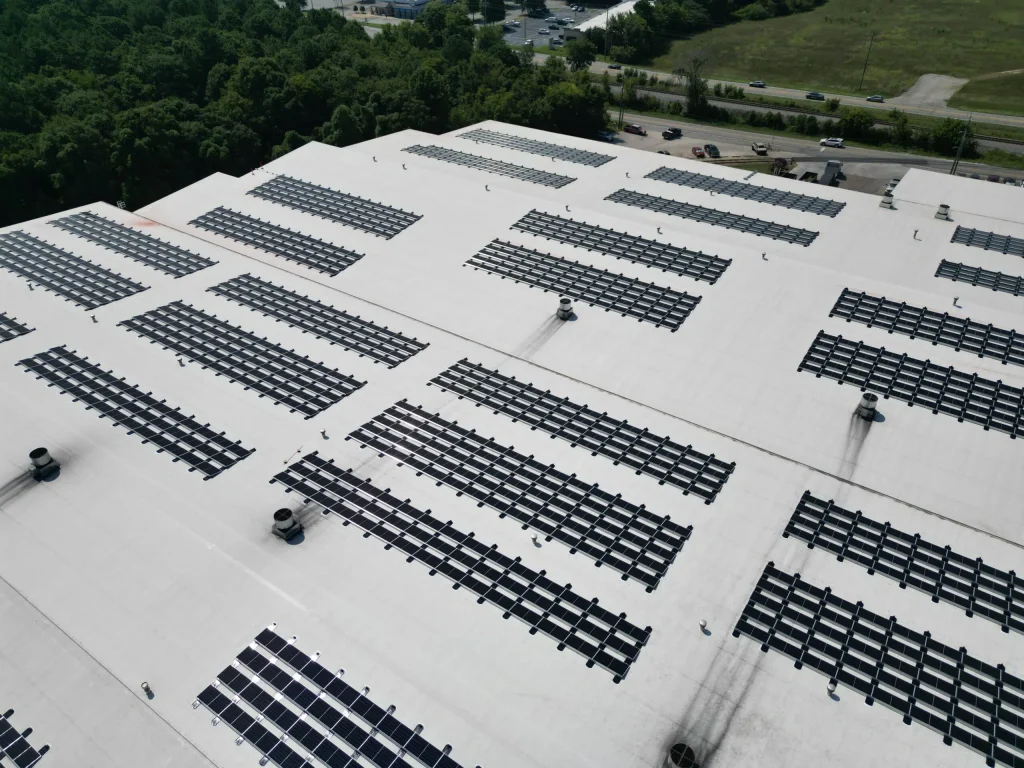
Georgia Power is launching this pilot with a small group of commercial customers before opening it up more broadly. That’s a common approach for a new utility program. It lets Georgia Power test the technology, the incentive structure, and the process for managing a network of connected batteries on a smaller scale before extending it to the much larger pool of residential customers.
That’s also why you won’t find a sign-up page for homeowners on Georgia Power’s website right now. As of this writing, Georgia Power doesn’t appear to have a dedicated public page for the VPP program at all. What’s known about it comes from the IRP filing itself and the reporting built around it, not from a consumer-facing program page, because one doesn’t exist yet.
When Will Residential Enrollment Open?
There’s no confirmed public date yet. Rather than guess, the most reliable place to watch for updates is Georgia Power’s Integrated Resource Plan filings page, where changes to the pilot’s rollout are most likely to appear first.
How This Is Different From Georgia Power’s Other Solar Programs
It’s easy to mix this up with programs Georgia Power already offers. Here’s a quick way to keep them separate:
- Net metering and the RNR (buy-back) tariff credit you for excess solar energy your system sends back to the grid, whether or not you have a battery.
- The Advanced Solar Initiative is a separate Georgia Power program focused on utility-scale and community solar, not something homeowners enroll in directly for a rooftop system.
- The VPP pilot is specifically about batteries. It pays you for letting Georgia Power (or an aggregator) draw on your stored energy during high-demand periods, on top of whatever you’re already getting through net metering or your buy-back rate.
If you already have solar with no battery, the VPP program isn’t something you can use yet, since both models are built around connected battery storage.
How Atlanta Homeowners Can Get Ready Now
Since enrollment isn’t open, there’s nothing to sign up for today. A few things are still worth thinking through if you want to be positioned for it when it is:
- Battery storage is the foundation. Both incentive models depend on having a battery connected to your system. If you’re already considering solar with battery storage, you’re building toward whichever model ends up available to homeowners.
- Work with an installer who’s tracking the program. Details like eligible equipment and enrollment windows tend to firm up close to launch. Our in-house, NABCEP-certified team keeps an eye on Georgia Power’s filings, so a written estimate today accounts for where this program is likely headed.
- Don’t base today’s solar decision on a program that isn’t open yet. Georgia Power’s other incentives and buy-back rates are live now. If you’re weighing whether solar makes sense for your home, the VPP pilot is future upside, not something to wait on. A battery also means backup power during Georgia’s storms regardless of what happens with this program.
If you’re a business, school, or nonprofit rather than a homeowner, it’s worth a look at our commercial solar page, since that’s the customer segment this pilot is starting with.
Frequently Asked Questions
What is Georgia Power’s VPP Pilot Program?
It’s a 50-megawatt pilot from Georgia Power’s 2025 Integrated Resource Plan that pays customers with battery storage for letting the utility draw on that stored energy during high-demand periods.
Is the VPP program open to residential customers right now?
Not yet. The program is starting with a small group of commercial customers, with residential participation expected in a later phase.
What’s the difference between the customer-directed and utility-directed incentive models?
The customer-directed model pays a smaller upfront amount plus a per-event performance payment, and only asks something of your battery during specific requested events. The utility-directed model pays more upfront in exchange for Georgia Power managing continuous operation of your battery.
Do I need a battery to participate once the program opens to homeowners?
Based on the filed program design, yes. Both models are built around connected battery storage, not solar panels alone.
How is this different from net metering or Georgia Power’s solar buy-back rate?
Net metering and buy-back rates credit you for solar energy sent to the grid. The VPP program is a separate incentive layered on top, specifically for battery storage participation during high-demand events.
When will residential enrollment open?
There’s no confirmed date yet. Georgia Power’s IRP filings page is the most reliable place to watch for updates.
The Bottom Line
Georgia Power’s VPP pilot is still taking shape, and the residential side of it isn’t here yet. If you’re considering solar and battery storage regardless of this program, get your written estimate and we’ll help you design a system that fits your home now, with the option to take advantage of programs like this one down the road.
On This Page
- What Is the VPP Pilot Program?
- The Two Incentive Models
- Why Commercial First
- When Will Enrollment Open?
- Other Georgia Power Programs
- How to Get Ready Now
- FAQ
- The Bottom Line
CSS Client Portal
Your solar system, in your pocket.
Live production, battery charge, and savings, anytime, anywhere. Free for every CSS customer.
Ready When You Are
See if battery storage pays off for your home.
We’ll model your bill, your roof, and your goals, then give you a straight answer. No pressure, no boilerplate.
Get a Custom Quote