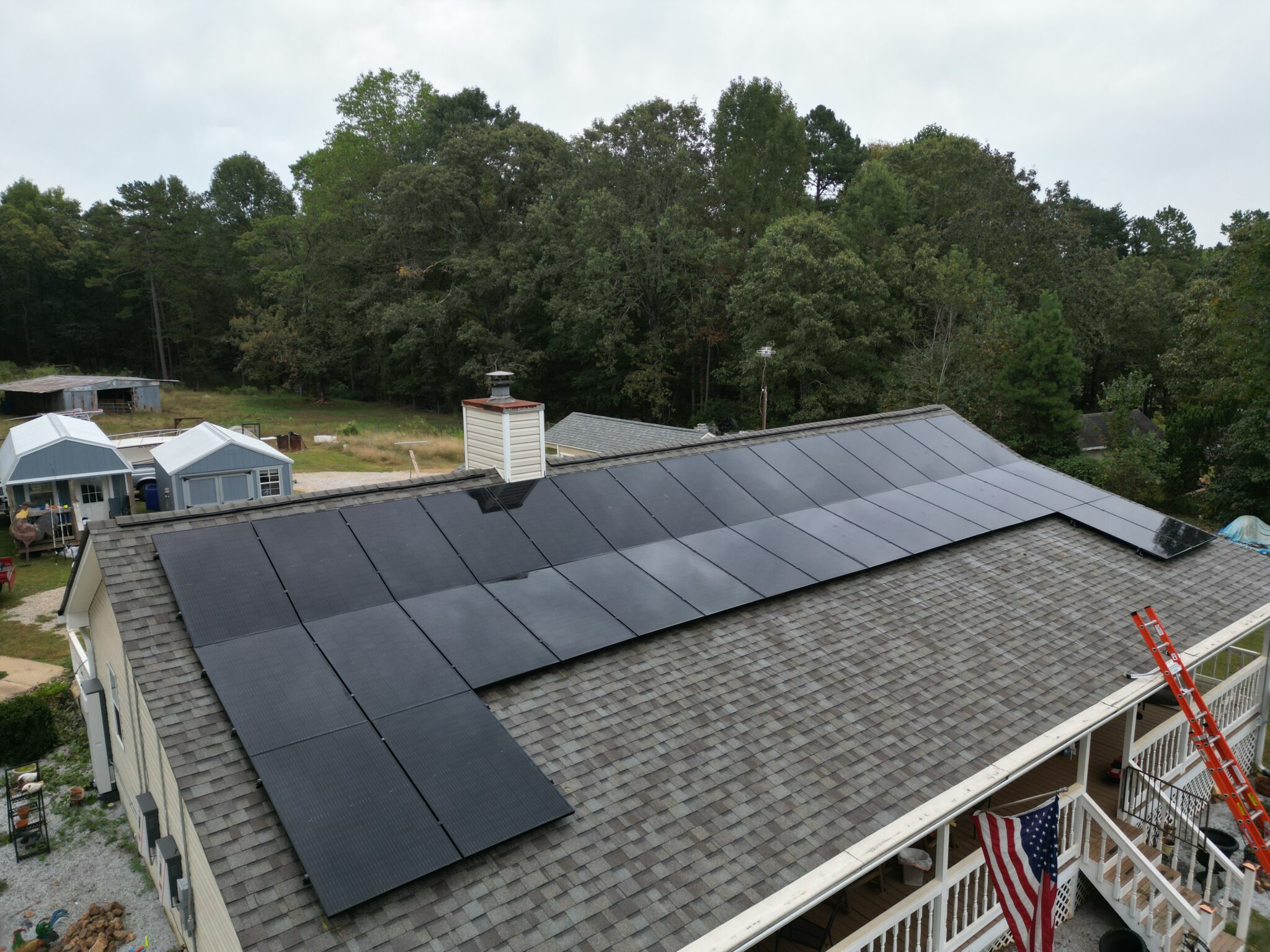
Georgia solar incentives in 2026 are very different from the incentives available only a few years ago. Federal rules have changed, utility programs continue evolving, and battery storage is becoming increasingly important. Homeowners and businesses now need to evaluate solar using current incentives, electricity rates, and property-specific energy usage.
The biggest change affects homeowners planning a new solar installation during 2026. The federal Residential Clean Energy Credit previously covered 30% of qualifying residential solar and battery expenses. That federal homeowner credit ended for new qualifying expenditures after December 31, 2025. The IRS confirms the residential credit ended after 2025.
That change does not mean solar stopped making financial sense in Georgia. Instead, the calculation now depends more heavily on electricity savings, onsite energy consumption, utility programs, and system design. Commercial properties may also have access to federal incentives that homeowners cannot use.
Custom Solar Solutions designs solar and battery systems around actual electricity usage instead of generic panel packages. The company serves homeowners and businesses throughout Georgia using an in-house solar installation team. More than 3,000 solar projects have been designed and installed by the company.
Thinking about solar in Georgia during 2026? Start with an analysis of your utility bills and property. Custom Solar Solutions can determine realistic solar production, battery requirements, and available incentive opportunities.
Explore residential solar installation options or request a customized system evaluation.
What Changed With Georgia Solar Incentives in 2026?
The federal residential solar incentive created the biggest change entering 2026. Until the end of 2025, eligible homeowners could claim a federal credit equal to 30% of qualifying project costs. That credit helped reduce the effective cost of solar panels, batteries, electrical improvements, and certain related expenses.
New residential installations completed during 2026 should not be priced using that expired 30% homeowner credit. This point matters because many solar calculators and older articles still reference outdated incentive information. Homeowners should verify the installation year before relying on any projected tax savings.
Georgia also does not currently offer a broad statewide tax credit replacing the former federal residential incentive. Some utility programs and energy programs remain available, but they operate differently. A properly designed solar system must therefore create value through energy savings and intelligent electricity management.
The financial equation has consequently become more property-specific. Two homes with similar roof sizes can experience very different solar returns. Electricity consumption patterns, shading, utility rates, system pricing, and battery usage can substantially change the result.
Georgia Solar Incentives Available in 2026
The phrase “Georgia solar incentives” can be misleading because several different programs fall under that description. Some incentives apply directly to solar equipment, while others improve project economics indirectly. Commercial and residential projects can also qualify under completely different rules.
Georgia property owners should generally evaluate four major opportunities:
- Utility compensation for eligible excess solar generation.
- Battery storage programs and emerging utility incentives.
- Home energy rebates that reduce overall household electricity consumption.
- Federal tax incentives for qualifying commercial solar and energy storage projects.
Each program has different eligibility requirements, deadlines, and application procedures. Property owners should not assume every incentive can be combined. Federal tax benefits should always be reviewed with a qualified tax professional.
The most valuable incentive is also not always an upfront rebate. Avoiding thousands of kilowatt-hours of purchased electricity can create substantial long-term value. That becomes increasingly important as electricity prices change.
Is There a Georgia Solar Tax Credit in 2026?
There is currently no broad Georgia state income-tax credit available for most residential rooftop solar projects. That distinction is important because searches for a “Georgia solar tax credit” often produce older incentive information. Some of those pages reference programs that no longer exist.
The federal residential solar credit also changed dramatically. The IRS previously allowed eligible homeowners to claim 30% of qualifying clean-energy expenditures. That residential credit applied through December 31, 2025.
Homeowners who completed qualifying projects before that deadline may have different tax situations. Unused eligible credits from prior years may also require individual tax review. A CPA should determine whether those circumstances apply.
Businesses should not assume the residential rules apply to their projects. Commercial solar continues operating under a different federal incentive framework. Those incentives can make larger commercial installations especially attractive when properly structured.
Commercial Solar Tax Incentives in Georgia
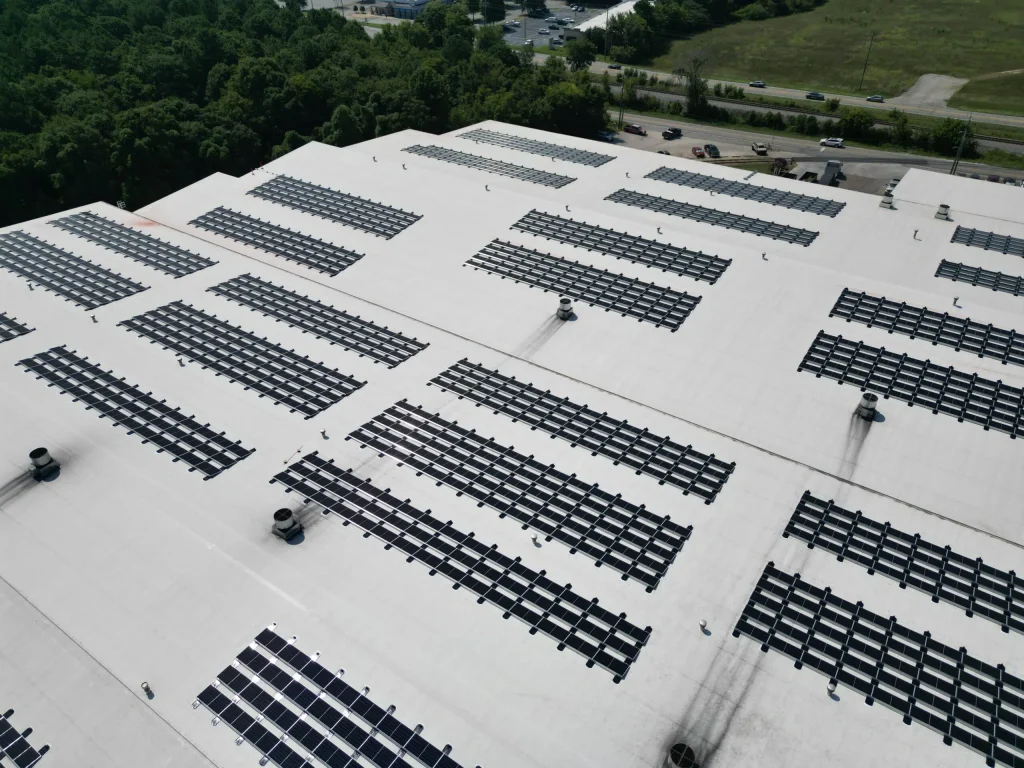
Commercial solar remains one of the strongest opportunities in Georgia during 2026. Federal incentives can still significantly influence project economics for eligible businesses. However, commercial tax rules have become more complicated and require careful planning.
The federal Clean Electricity Investment Credit provides a base incentive for qualifying clean-energy investments. The IRS lists a base credit of 6% for qualifying investments. Projects meeting specific labor requirements may potentially qualify for substantially higher percentages.
Prevailing wage and apprenticeship requirements can help eligible projects reach a 30% credit level. Additional incentive increases may apply under domestic-content or energy-community provisions. Eligibility depends on the project, construction timeline, ownership structure, and federal requirements.
Businesses should also evaluate depreciation and cost-recovery opportunities with their tax professionals. Solar can sometimes provide financial benefits beyond the investment credit itself. These opportunities make early tax planning extremely important.
A warehouse with heavy daytime electricity use may experience excellent solar economics. Manufacturing facilities, offices, dealerships, and commercial buildings often consume electricity while solar production is highest. That allows more generated electricity to be used directly onsite.
Businesses considering a project can explore commercial solar installation services.
How the Georgia Power Solar Program Works
The Georgia Power solar program is another important part of the state’s solar landscape. Eligible customers can receive compensation for qualifying electricity exported to the grid. However, the program should not be confused with traditional full-retail net metering.
Georgia Power’s Renewable and Nonrenewable Resources program includes an Instantaneous Netting option. Solar electricity first serves the property’s immediate electrical demand. Excess production can then be exported to the utility grid.
Eligible exported electricity receives compensation using the applicable Solar Avoided Energy Cost Rate. More information is available through the Georgia Power rooftop solar program.
This structure makes onsite solar consumption especially important. Electricity used immediately can replace electricity that otherwise would have been purchased from the utility. Exported electricity may provide lower financial value than electricity consumed onsite.
Battery storage can improve that relationship. Excess daytime production can be stored for later use instead of immediately leaving the property. The stored energy can then help supply evening electricity demand.
Why Electricity Rates Matter More in 2026
Solar incentives receive considerable attention, but electricity prices can matter just as much. Solar creates value every time generated electricity replaces utility electricity that would otherwise be purchased. Higher electricity prices can therefore improve the value of each kilowatt-hour produced.
The U.S. Energy Information Administration reported Georgia residential electricity averaging approximately 15.84 cents per kilowatt-hour during May 2026. During May 2025, the comparable average was approximately 14.98 cents. That represents an increase of roughly 5.7% between those reporting periods.
Commercial electricity averaged approximately 10.88 cents per kilowatt-hour during May 2026. Actual customer rates vary according to utility, rate class, demand charges, and consumption. See current figures from the U.S. Energy Information Administration.
Georgia also represents a very large electricity market. The state recorded approximately 150 million megawatt-hours of retail electricity sales during 2024. Georgia ranked fifth nationally for total retail electricity sales that year.
Those statistics illustrate why solar continues receiving attention across Georgia. The state has significant electricity demand from residential, commercial, industrial, and technology-driven growth. Solar allows property owners to produce part of that electricity onsite.
Georgia Solar Rebates and Home Energy Rebates
Georgia homeowners may also encounter advertisements discussing large energy rebates. These programs should not automatically be interpreted as solar panel rebates. Most current Georgia home energy rebate opportunities focus on efficiency and electrification improvements.
Georgia’s Home Energy Rebates program can provide substantial savings for qualifying households. Eligible improvements may include HVAC upgrades, insulation, air sealing, electrical equipment, and other efficiency measures. Certain households can potentially receive combined incentives reaching thousands of dollars.
More information is available through the official Georgia Home Energy Rebates program.
Improving efficiency before installing solar can still improve the economics of a solar project. A house using less electricity may require fewer panels to reach a desired offset. Lower energy demand can also affect battery sizing.
Consider an older Georgia home with an inefficient air-conditioning system. Replacing that system could reduce summer electricity consumption before solar is installed. The solar array could then be designed around the home’s improved energy profile.
This approach can help homeowners avoid oversizing their system. It also provides a more accurate understanding of future electricity requirements.
Why Battery Storage Matters More With Georgia Solar
Battery storage is becoming increasingly valuable because of how electricity flows through a solar system. Panels often produce their strongest output during the middle of the day. Household electricity demand can remain high after solar production begins declining.
Without a battery, unused daytime solar may be exported to the grid. With properly sized storage, part of that electricity can remain onsite. The homeowner can then use stored energy during the evening.
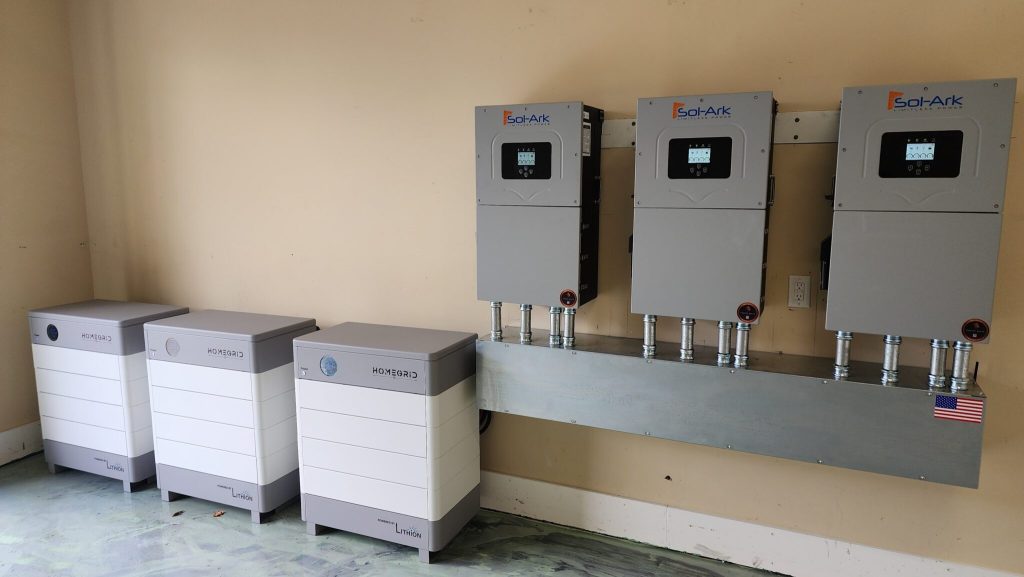
Battery systems can also provide backup power during outages when properly configured. The amount of backup depends on usable battery capacity and electrical demand. Large air conditioners and other heavy loads require considerably more energy than basic essential circuits.
A well-designed battery system should therefore begin with the homeowner’s priorities. Some customers want whole-home backup during short outages. Others prefer longer support for refrigerators, lighting, internet equipment, and selected outlets.
Custom Solar Solutions designs integrated solar and battery systems based on those objectives. Learn more about solar battery storage solutions.
Emerging Georgia Battery Programs
Georgia’s utility landscape may also create additional battery opportunities. Utility planning has included customer-sited solar and storage programs designed to support grid demand. These programs could provide additional value for qualifying battery owners.
One approved planning initiative contemplated approximately 50 megawatts of customer-sited solar and battery capacity. Proposed program structures included both customer-directed and utility-directed battery participation. Compensation structures can vary depending on how utilities access stored electricity.
Homeowners should not purchase a battery solely because they expect future program payments. Program details can change before enrollment opens. Equipment eligibility, participation rules, and payment structures may also change.
Battery storage should first provide value through resilience and energy management. Utility program participation can then become an additional benefit. That creates a more conservative and practical investment strategy.
Real Georgia Solar Experience Matters
Solar incentives alone do not determine whether an installation succeeds. Permitting, engineering, inspections, utility interconnection, and commissioning are equally important. A system cannot provide expected value until those steps are completed correctly.
Custom Solar Solutions has completed more than 3,000 solar designs and installations. Its Georgia projects include residential systems, commercial installations, solar battery systems, and large custom arrays. The company uses an in-house installation team rather than relying entirely on outside subcontractors.
A published customer experience from Decatur highlights the importance of local project management. The project experienced delays involving county and utility approval processes. The customer reported that the Custom Solar Solutions team remained communicative throughout those external delays.
That experience demonstrates why local solar knowledge matters. Utility requirements and permitting procedures can differ by location. An experienced installer must navigate those requirements while keeping the customer informed.
The company’s project portfolio also includes a Georgia residential system containing more than 100 solar panels and full battery backup. Projects of that scale require engineering beyond standard residential packages. Electrical demand, equipment compatibility, storage capacity, and system controls must work together.
Is Solar Still Worth It Without the 30% Residential Tax Credit?
Solar can still make sense for many Georgia homeowners, but the analysis must be more disciplined. The old approach of subtracting 30% from every proposal no longer works. Buyers should instead evaluate long-term electricity savings and system performance.
Important factors include:
- Previous electricity consumption across at least 12 months.
- Current utility rates and projected future electricity costs.
- Roof direction, shading, pitch, and usable installation area.
- Percentage of solar electricity consumed directly onsite.
- Solar system price and financing costs.
- Battery storage capacity and backup expectations.
- Utility export compensation and program availability.
- Equipment warranties and expected service life.
A home with heavy daytime electricity usage may perform differently from one that remains empty all day. Pool equipment, air conditioning, electric vehicles, and home offices can increase daytime consumption. That can allow the property to use more solar electricity directly.
Financing also matters considerably. A competitively priced cash system can have very different economics from long-term financing with significant fees. Homeowners should compare total project cost rather than focusing only on monthly payments.
Solar Incentives for Georgia Businesses
Businesses often have different reasons for installing solar. Electricity savings remain important, but taxes, depreciation, demand management, and corporate sustainability can also influence decisions. Larger commercial projects therefore require a broader financial analysis.
Consider a Georgia distribution facility that operates primarily during daylight hours. The property may consume large amounts of electricity while its solar system is producing maximum power. That production can reduce utility purchases during operating hours.
A retail business may have a similar opportunity. Air conditioning, lighting, refrigeration, and equipment can create predictable daytime loads. Solar production can offset part of those recurring expenses.
Commercial buildings may also have larger roofs than residential properties. That can provide significant space for solar modules without affecting operational areas. Ground-mounted systems may provide another option for properties with sufficient land.
The best commercial proposals should include realistic production modeling and financial analysis. They should also separate tax incentives from electricity savings. This helps owners understand exactly where the projected return comes from.
Solar Services Near You in Georgia
Local solar experience is particularly important because Georgia projects can involve several authorities. Permitting requirements vary between counties and municipalities. Utility interconnection procedures can also vary by service territory.
Custom Solar Solutions is based in Sandy Springs and serves communities throughout metropolitan Atlanta and surrounding areas. Service areas include Atlanta, Sandy Springs, Roswell, Alpharetta, Marietta, Decatur, Brookhaven, Dunwoody, and Johns Creek. Additional Georgia communities are also served.
Customers can work with Custom Solar Solutions for residential solar, commercial solar, battery storage, maintenance, repairs, and electrical integration. Keeping these services within an experienced solar team can simplify long-term system ownership.
Homeowners searching for “solar installers near me” should compare more than pricing. Ask who designs the system, who performs installation, and who handles future service. Those questions can become extremely important years after installation.
How Custom Solar Solutions Approaches Georgia Solar Projects
A good solar project should begin with electricity consumption instead of panel count. Custom Solar Solutions reviews utility usage, property characteristics, electrical infrastructure, and future energy goals. The system can then be sized using those actual requirements.
Residential projects may include solar panels, battery storage, electrical upgrades, and backup-power planning. Commercial projects can require additional financial modeling and engineering. Large properties may also require more complicated interconnection studies.
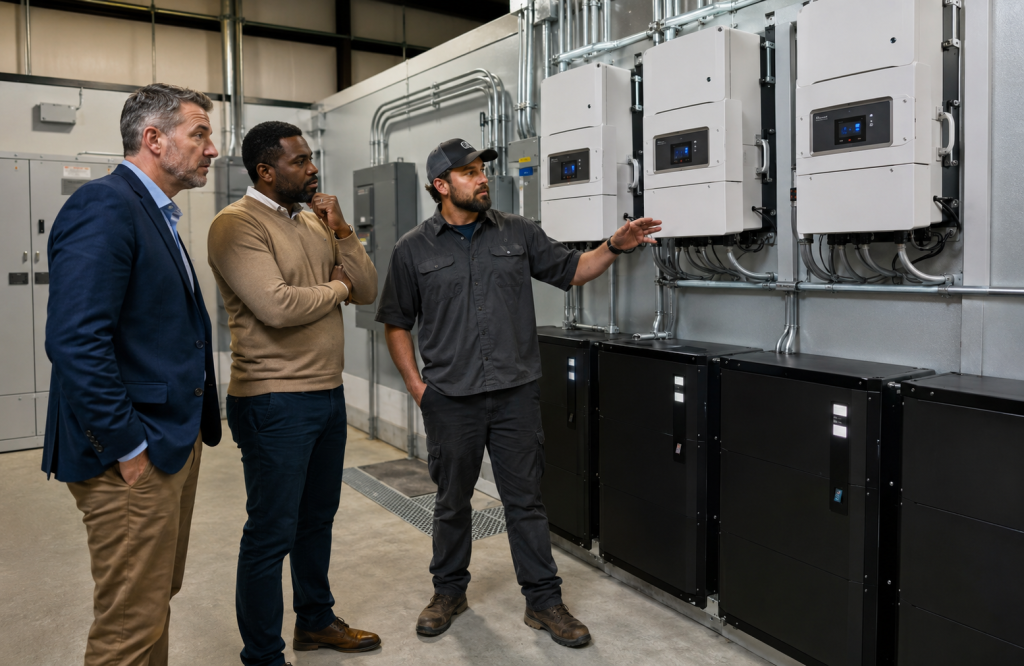
Battery projects require another level of design. Engineers must consider critical loads, inverter capacity, battery output, usable energy, and solar recharge potential. Incorrect sizing can lead to unrealistic backup expectations.
System monitoring should also be included during commissioning. Customers should understand how to access energy production data and equipment status. Long-term monitoring can help identify performance problems earlier.
What Should Georgia Property Owners Do Next?
The first step should be collecting at least 12 months of electricity bills. Those bills reveal annual usage, seasonal changes, and average energy costs. They also give the solar designer a reliable starting point.
Next, evaluate the property itself. Roof age, shading, roof direction, electrical infrastructure, and available installation space all matter. Battery storage should be evaluated based on actual backup goals.
Finally, compare financial projections using current 2026 incentive rules. Do not accept a proposal that still assumes the expired residential 30% credit. Commercial customers should separately review federal tax opportunities with qualified tax professionals.
Request a Georgia Solar Evaluation
Solar incentives changed in 2026, but the opportunity to control electricity costs remains.
Custom Solar Solutions can evaluate your energy consumption, property, solar potential, battery needs, and applicable utility programs. Homeowners and businesses can receive a system recommendation based on actual energy requirements.
Contact Custom Solar Solutions today to request a customized Georgia solar assessment.