Solar Battery Storage Cost in Georgia: What to Expect
A solar battery’s price isn’t one number, it’s several. Here’s what actually drives the cost in Georgia, and how to get an honest estimate for your home.
A solar battery’s price isn’t one number, it’s several. Here’s what actually drives the cost in Georgia, and how to get an honest estimate for your home.
Most quotes blur the battery, the electrical work, and the permits into a single number, so it’s hard to tell what you’re actually paying for. Below, we break down what really drives the cost of solar battery storage for a Georgia home or business, what a full battery storage system includes, and how the 2026 tax changes shift the math. We’ll be straight about one thing up front: the only way to know your number is a written estimate, because your roof, your panel, and your utility all change the answer.
The short version
- Solar battery storage cost isn’t a single sticker price. It’s the battery, the supporting equipment, the installation, and the permitting stacked together.
- Two batteries with the same storage rating can cost very different amounts once you account for the equipment around them.
- The 2026 federal tax picture changed under the One Big Beautiful Bill. Confirm current specifics with a tax professional before you count on a credit.
- The only way to know your real Georgia number is a written estimate from a team that has actually looked at your home.
How Much Does Solar Battery Storage Cost?
There’s no single sticker price, and anyone who gives you one without seeing your home is guessing. What we can do is set honest expectations.
To give you a rough idea, published industry figures put the equipment in the five figures for many homes. EnergySage, for example, reports a typical 13.5 kWh battery around $15,000 before incentives, and solar.com lists a range of roughly $6,000 to $18,000 depending on size. Those are national averages from outside sources, not our prices. We install the system, so what you pay depends on your home, and we put that in a written estimate rather than a one-size-fits-all number.
The takeaway: think in ranges, not a fixed price, until someone has actually looked at your setup.
What Actually Goes Into the Installed Price
When two batteries with the same storage rating come back with very different quotes, this is why. An installed price is four things stacked together, and most of them have nothing to do with the battery on the shelf.
The battery hardware itself
The physical battery is the part everyone pictures, but it’s only one slice of the total. The rest is everything that makes the battery safe, legal, and actually useful in your home.
The equipment around the battery
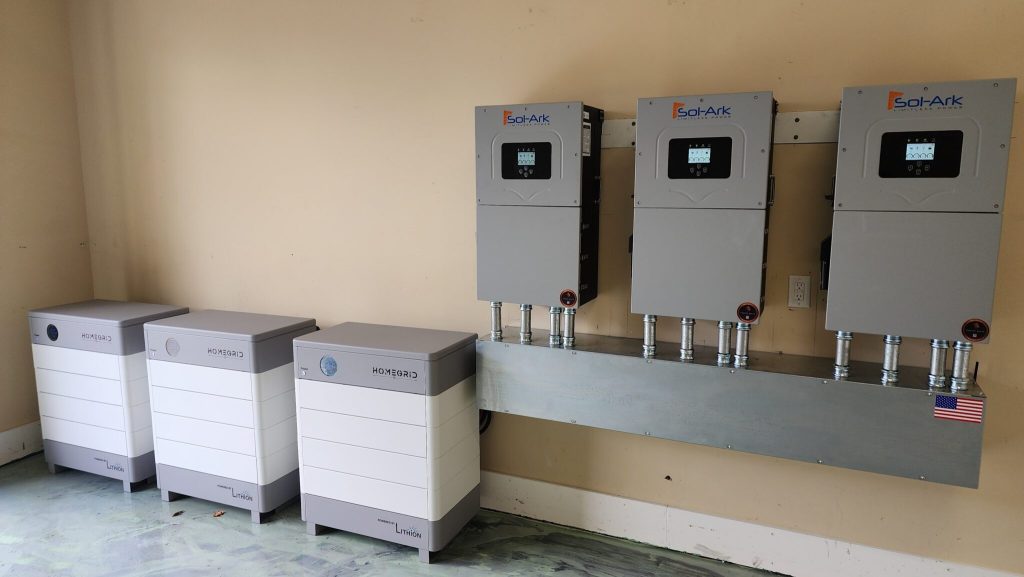
A battery can’t work alone. It needs gateways, an inverter, backup controllers, meters, and communications equipment to store power, coordinate with your panels, disconnect safely from the grid, and report how it’s performing. This is the piece most homeowners never see coming. Two batteries can carry the same kWh rating and still need very different supporting gear, and that difference shows up in the price.
Installation and electrical work
This is labor, and it’s where an in-house team matters. Our own factory-certified, NABCEP-certified technicians do the work, never a subcontractor. Older homes sometimes need an electrical panel upgrade before a battery can be added, and knowing that up front is part of the reason we quote in writing instead of over the phone.
Permits, inspection, and utility interconnection
Every battery install in Georgia has to be permitted, inspected, and coordinated with your utility. We manage that paperwork directly with Georgia Power, Cobb EMC, Sawnee EMC, and other Georgia utilities on your behalf, and we keep you in the loop the whole way. No surprises, no wondering where things stand. It’s part of the cost, and it’s part of what you’re paying us to handle so you don’t have to.
Cost Per kWh: How Battery Pricing Really Works
You’ll see batteries priced “per kWh,” and it’s worth understanding what that means before you compare quotes.
A kilowatt-hour (kWh) is a unit of stored energy. Cost per kWh is simply the installed price divided by how much energy the battery can hold. Here’s the part that trips people up: a bigger battery costs more in total, but often less per kWh, because a lot of the supporting equipment and labor is the same whether the battery is small or large. So a larger system can look more expensive on the invoice while being a better value per unit of storage.
When you compare two quotes, compare the whole installed system, not just the headline number.
Solar Panels and Battery Storage: Bundled System Cost
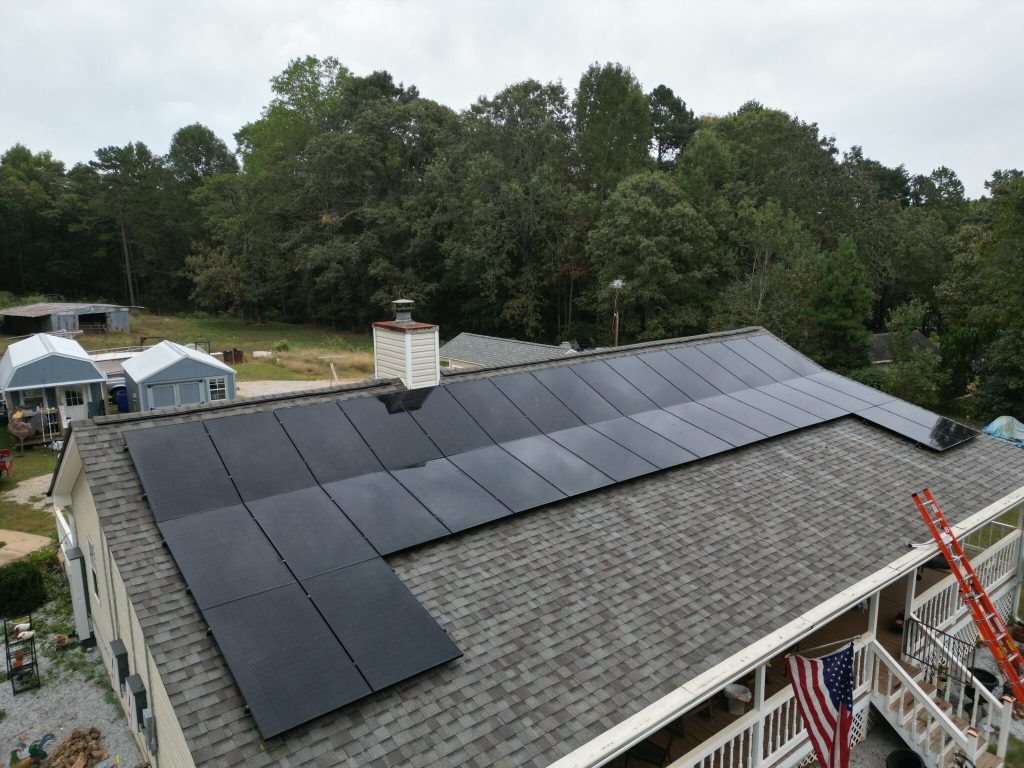
If you’re pricing panels and a battery at the same time, bundling them into one project usually makes sense. You get a single design, one permit process, one crew, and one interconnection with your utility, instead of paying to set all that up twice.
Adding a battery to an existing solar system is also common, and we do it often. It just means the design has to account for what’s already on your roof, which is one more reason your number depends on your specific system. Whether you’re starting fresh or expanding, we custom-design the system around your home, not a cookie-cutter template.
What Changed for 2026: Tax Credits and Battery Cost
This matters, because a lot of the cost guides you’ll find online still assume a tax credit that no longer works the way they describe.
Here’s the short version. On July 4, 2025, a federal budget law known as the One Big Beautiful Bill (H.R.1) ended the Residential Clean Energy Credit, the 30% federal credit that used to help cover a home battery bought with cash or a loan. Per the IRS, systems placed in service after December 31, 2025 no longer qualify for that credit, and there’s no phase-out or partial amount. Businesses are treated differently and follow their own rules, which we cover below.
Because tax situations vary and some of these rules are still settling, treat this as general information, not tax advice. We’ll help you understand what options exist for your situation, and we’d always point you to a tax professional to confirm what applies to you. For a fuller look at how the law changed things, see our breakdown of the One Big Beautiful Bill.
Battery Storage Cost for Small Businesses
Most cost guides online stop at homes. If you run a business, your math is different.
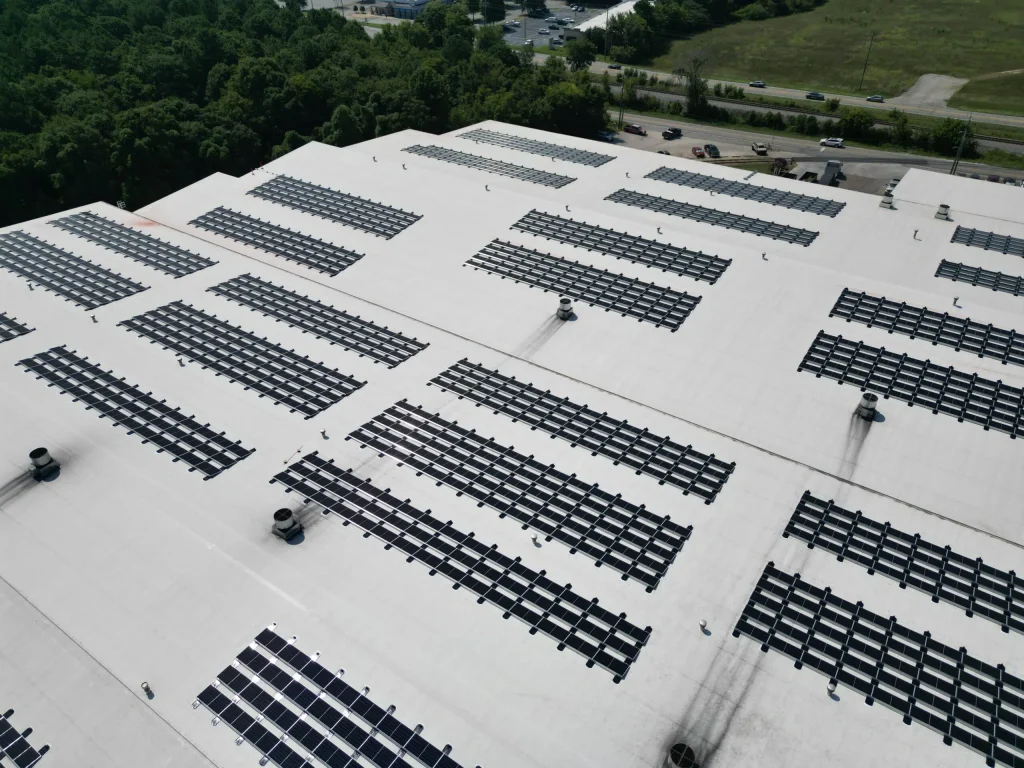
Commercial systems are usually sized larger, and the equipment and installation scale accordingly. The incentive picture is different too. Unlike the residential credit that ended in 2025, businesses may still qualify for a federal investment tax credit (Section 48E) worth up to 30%, though it carries its own timelines and construction deadlines (per SEIA and the IRS). Because those rules have deadlines and can change, confirm current eligibility with a tax professional. We design and install for businesses, schools, and community organizations, not just homes, and the same in-house team handles it start to finish. If you’re weighing storage for a business, our commercial solar page is the place to start.
Is Solar Battery Storage Worth the Cost in Georgia?
The honest answer is that it depends on what you want the battery to do. There are two good reasons Georgians add storage, and they’re different jobs.
The first is resilience. When the grid goes down in a storm, a battery keeps your essentials running, so your food doesn’t spoil and your home stays livable. If you’ve lived through a Georgia summer storm season, you already know how that feels. In 2024, U.S. electricity customers averaged about 11 hours without power, the most in more than a decade, and hurricanes like Helene, which swept through Georgia and the wider Southeast, drove roughly 80% of that lost time, according to the U.S. Energy Information Administration. Our storm response and backup power page covers this side in more detail.
The second is savings. A battery lets you store the solar energy you make during the day and use it later, which can help you avoid higher utility rates during peak hours and get more value out of every panel. How much you save depends on your rate plan and how you use the stored power.
For many homeowners it’s some of both: peace of mind when the power’s out, and more control over the bill when it’s on. Storage is also becoming more common. The share of solar systems installed with a battery has been climbing, from about 12% in 2023 toward a projected 28% by 2028 (SEIA). Whether it’s worth it for you comes down to your goals, and that’s a conversation worth having before you spend a dollar.
Getting an Accurate Price for Your Home or Business
An online calculator can give you a national average. It can’t tell you what a battery will cost on your roof, with your panel, on your utility. Only a real look at your home can do that.
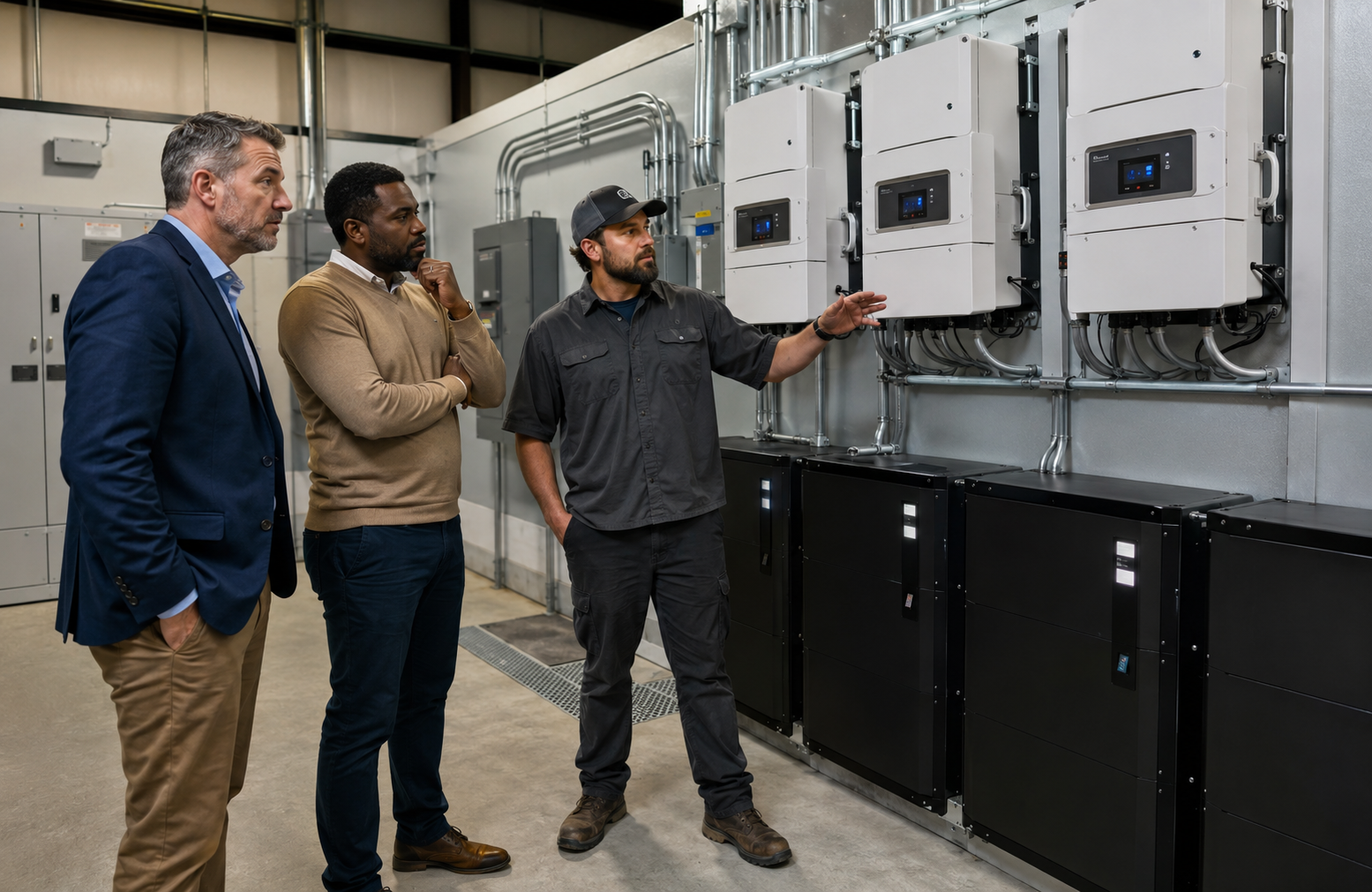
That’s why we quote in writing. A CSS consultant reviews your energy use, your existing setup, and what you actually want the battery to do, then designs a system around it and gives you a written estimate you can hold us to. Same in-house team that designs it, installs it, and services it later. No subcontractor handoffs, no moving numbers, no shortcuts.
We’re a family-owned company in Sandy Springs, backed by a team with experience on over 3,000 solar installations across Georgia. If you want a real number instead of a national guess, we’re here.
Get a written estimate built around your home, not a national average.
Frequently asked questions
How much does a solar battery cost?
It varies with how much storage you need and how much electrical work your home requires. Published industry figures from sources like EnergySage and solar.com commonly run into the five figures, but those are national averages, not our prices. Your real number depends on your specific setup, which is why we quote in writing.
How much does a home solar battery cost?
The battery itself is only part of the price. Supporting equipment, installation, permits, and utility interconnection all factor in, and older homes sometimes need a panel upgrade. A written estimate is the only way to know your figure.
How much does solar with battery cost?
Bundling panels and a battery into one project usually costs less than doing them as two separate installs, because the design, permitting, and interconnection happen once. We’ll size and price it as one system in your written estimate.
How much does a battery backup for solar cost?
A backup-focused battery is sized around the essentials you want to keep running during an outage. The more you want to power, and for longer, the larger the system. We’ll size it to your priorities and put the price in writing.
Do I still get a federal tax credit for a battery in Georgia in 2026?
Not for a home battery you buy with cash or a loan. The 30% Residential Clean Energy Credit ended for systems placed in service after December 31, 2025 under the One Big Beautiful Bill, per the IRS. Businesses follow separate rules and may still qualify for a federal credit. This is general information, not tax advice, so confirm what applies to you with a tax professional.
How long does a solar battery last?
Today’s home batteries generally last about 10 to 15 years, though it depends on the product. Most use lithium iron phosphate (LFP) chemistry and carry warranties around 10 years, with some rated for 12 or 15. How long yours lasts comes down to the specific battery, how often it’s used, and the environment it’s installed in. Research from the National Renewable Energy Laboratory (NREL) shows the exact lifespan varies with battery chemistry and how the system is used.
On This Page
- How Much Does It Cost?
- What Goes Into the Price
- Cost Per kWh Explained
- Panels and Battery: Bundled Cost
- What Changed for 2026
- Cost for Small Businesses
- Is It Worth It in Georgia?
- Getting an Accurate Price
- FAQ
CSS Client Portal
Your solar system, in your pocket.
Live production, battery charge, and savings, anytime, anywhere. Free for every CSS customer.
Ready When You Are
See if battery storage pays off for your home.
We’ll model your bill, your roof, and your goals, then give you a straight answer. No pressure, no boilerplate.
Get a Custom Quote